
Cash Flow Management For Small Businesses
Running a small business means wearing many hats - and one of the most important is managing your finances. This guide walks you through everything you need to know, in plain English, with practical steps you can take today.
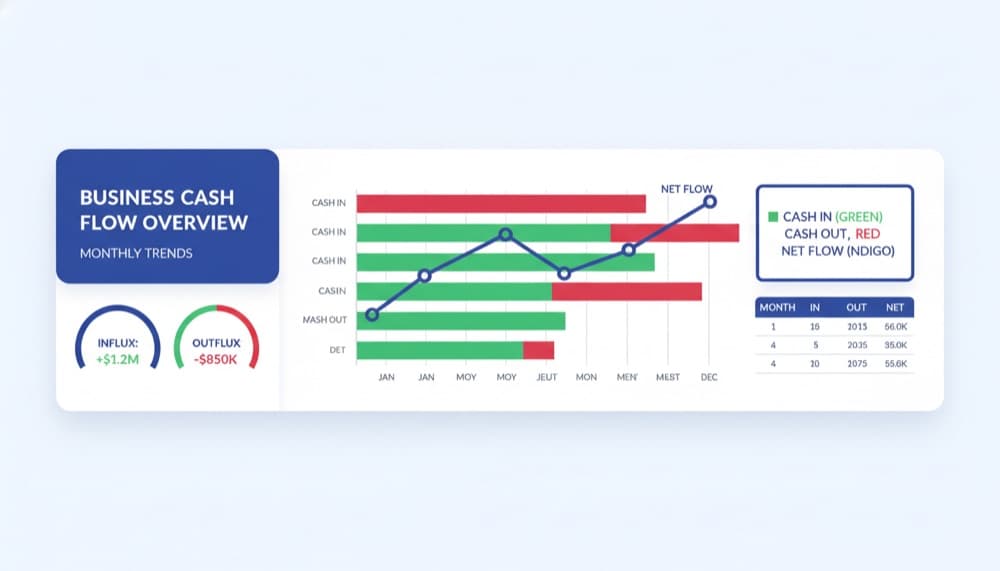
Getting Started
Most small business accounting comes down to three core activities: recording transactions accurately, organizing them into meaningful categories, and generating reports that help you make decisions.
Key Takeaway
Start simple: track income, track expenses, and reconcile your bank account monthly. Everything else builds on this foundation.
Core Concepts
Every financial transaction flows through your chart of accounts - a structured list of categories you use to track income, expenses, assets, and liabilities. Setting this up correctly from the start saves enormous headaches later.
Best Practices
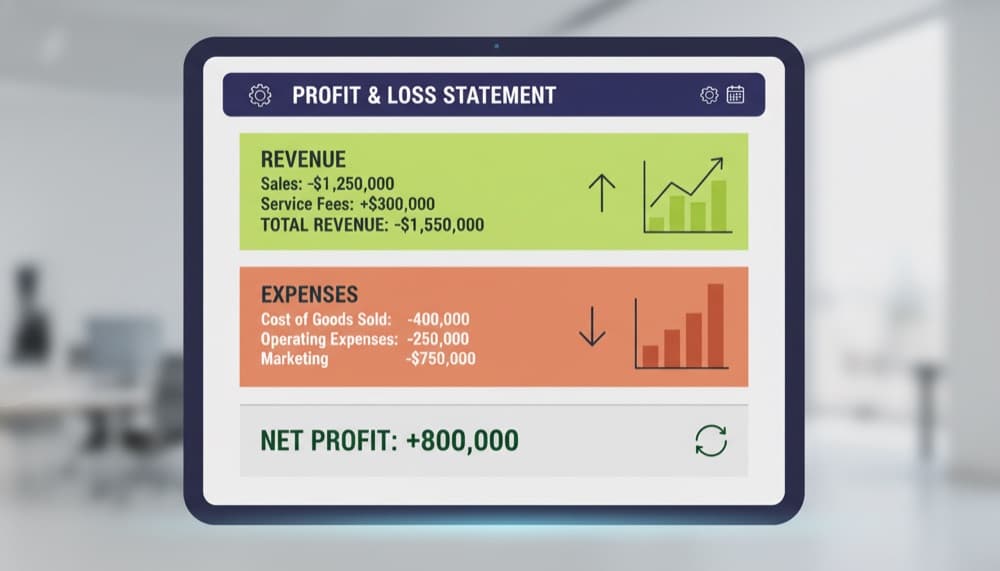
Successful business owners reconcile their accounts at least monthly, review their profit & loss statement quarterly, and keep personal and business finances completely separate. These habits alone put you ahead of most small business owners.
Common Mistakes to Avoid
The most common mistakes: mixing personal and business finances, not keeping receipts, waiting until tax time to organize books, and not tracking cash flow separately from profit. Any one of these can cause serious problems.
Next Steps
Once you have the basics in place, use accounting software to automate the repetitive parts. Modern tools handle bank feeds, invoice reminders, and expense categorization automatically.
Put this into practice with Note.now
Everything covered in this guide is built into Note.now. Try it free for 7 days.
Get started free